 Compartir
 Premiun

Carbohydrates are a fundamental part of a balanced and correct diet, allowing the body to obtain the necessary nutrients for good health. They are the body's primary source of energy and play a crucial role in various physiological functions.
Along with proteins and lipids, carbohydrates are the nutrients responsible for providing energy to the body; however, of these three, carbohydrates are the most important energy source.
Instant Energy
They are found in very diverse forms, such as breads, pasta, rice, potatoes, fruits, vegetables, legumes, fruit juices, and sugary drinks. Regardless of their presentation, the body is responsible for breaking them down into glucose—a simple molecule that is fundamental for the proper functioning of the organism, especially for the brain, which is an organ that depends almost entirely on glucose for optimal performance.
Once glucose enters the bloodstream, it is used as an instant source of energy to complete the body's tasks.
Long-lasting Energy
Due to the different sources from which carbohydrates can be obtained, they can be classified according to their molecular structure into sugars, starches, and dietary fiber.
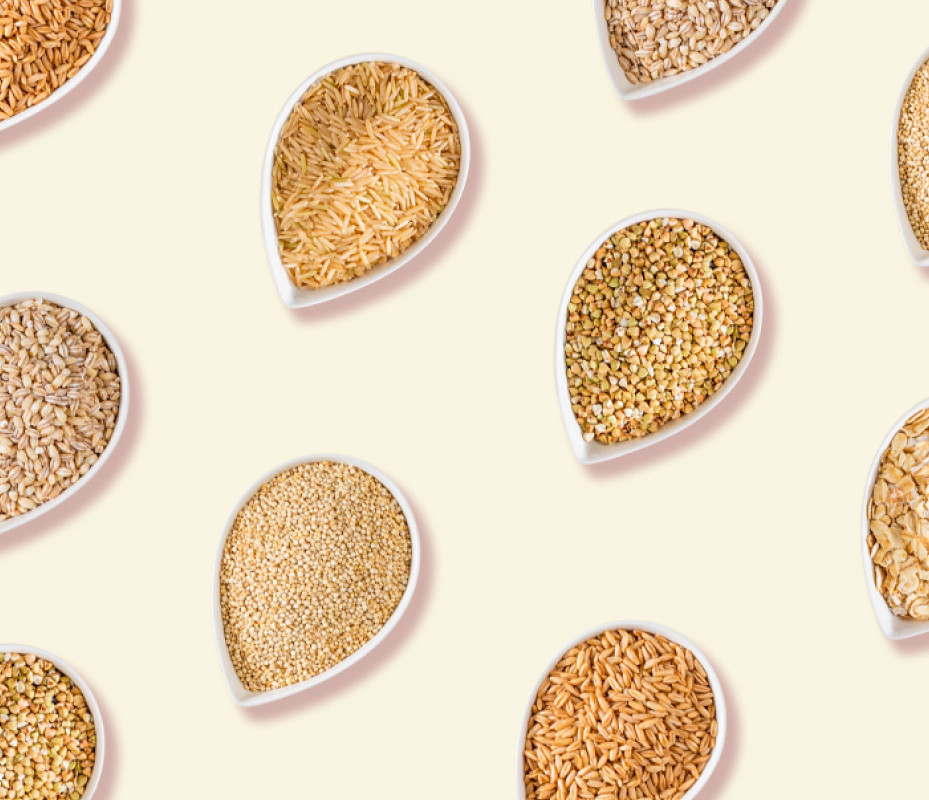
Starches and dietary fiber consist of molecules with long-chain structures known as complex carbohydrates. Starch—present in cereals such as wheat, corn, rice, oats, and in tubers like potatoes, sweet potatoes, and cassava—is broken down into glucose through the digestive process and then stored in the liver and muscles as glycogen.
When the body requires energy between meals or during exercise, glycogen becomes a reservoir that the body utilizes. For this reason, complex carbohydrates are a source of long-lasting energy.
Fiber for Healthy Digestion
Fiber is a complex carbohydrate that, unlike starch, cannot be digested by digestive enzymes. It is composed of soluble and insoluble components that ferment in the colon and favor digestive health, contribute to cardiovascular health by helping to lower cholesterol levels, and assist in controlling blood sugar levels.
Similarly, they promote a healthy intestinal microbiota, which produces short-chain fatty acids that stimulate the immune system and decrease the incidence of other conditions, such as overweight and obesity, by providing a greater sense of satiety.
Other Functions of Carbohydrates
Carbohydrates also play an important role in the structure and function of cells, tissues, and organs, favoring a balance in the use of different nutrients. For example, when the body does not have sufficient energy reserves, the organism resorts to breaking down proteins from body tissues to obtain it.
A lack of energy can be detrimental to health when seeking to build or maintain muscle structures at different stages or circumstances of life; therefore, maintaining an adequate carbohydrate intake contributes to ensuring a healthy protein balance.
On the other hand, as blood glucose levels increase, insulin inhibits the use of lipids to generate energy; consequently, glucose has an effect that prevents the loss of calories through lipids in the body.
Naturally, the brain and red blood cells use glucose as an energy source, which is one of the reasons why an adequate blood glucose level must be maintained. When consuming carbohydrates, the blood glucose level immediately increases and then decreases to the normal levels where it was initially; this process is known as the glycemic response.
The glycemic response can be affected by...
- The characteristics of the food itself and the type of carbohydrates: Whether they are sugars and other simple structures or more complex forms like starches and fiber; as well as ripeness, cooking methods, and food processing, and even other food components like fats and proteins.
- The metabolism of each person: As it influences the time it takes to digest and/or empty the stomach.
As we can see, not all carbohydrates are the same. Simple sugars, found naturally in fruits, juices, or honey, can cause blood glucose spikes and, if consumed in excess, can contribute to health problems such as cavities, overweight, or type 2 diabetes.
On the other hand, complex carbohydrates, present in whole grains, vegetables, fruits, and legumes, offer a more prolonged release of energy and are accompanied by other essential nutrients.
In summary, the primary function of carbohydrates is to provide energy. Without energy, no physiological process could take place. By making informed decisions and choosing diverse sources of carbohydrates, we can ensure a balanced intake that is beneficial for our long-term health.
References
- Coveney, J., & Booth, S. (2019). Critical Dietetics and Critical Nutrition Studies. Springer.
- Holesh, J. E., Aslam, S., & Martin, A. (2024). Physiology, Carbohydrates. https://pubmed.ncbi.nlm.nih.gov/29083823/
- Las funciones de los carbohidratos en el cuerpo. (2020, January 14). EUFIC. https://www.eufic.org/es/que-contienen-los-alimentos/articulo/las-funciones-de-los-carbohidratos-en-el-cuerpo
- ¿Los carbohidratos son buenos o malos para usted? (2020, January 14). EUFIC. https://www.eufic.org/es/que-contienen-los-alimentos/articulo/los-carbohidratos-son-buenos-o-malos-para-usted
• • University of Hawai‘i at Mānoa Food Science and Human Nutrition Program. (2018). The Functions of Carbohydrates in the Body. In Human Nutrition. http://pressbooks.oer.hawaii.edu/humannutrition/chapter/the-functions-of-carbohydrates-in-the-body/
 Top Reads