Food Safety–Responsibility of Us All

Enjoying food, especially with friends and family, is one of life’s greatest joys. Food and water sustain and nourish us, giving us the chance to grow, be active, and stay healthy. Having access to a hygienic food and water supply is top priority and we all play an important role when it comes to guaranteeing hygienic foods that provide us with nutrients at the same time we get to enjoy their flavors.
The food industry is responsible for the production of hygienic foods that get safely to our consumers. Government agencies are in charge of laying down hygiene regulations, conduct inspections, and guarantee compliance.
Consumers, on the other hand, have a great responsibility–they need to maintain hygienic conditions as to protect their own health and their family’s.
Is the Food You and Your Family Eat Safe?
Foodborne diseases, sometimes referred to as food poisoning, are caused by the intake of contaminated food. The symptoms–chills, diarrhea, dizziness, fatigue, headache, mild fever, abdominal discomfort, and even vomit, dehydration, severe cramps, vision problems–are often confused with other health issues.
To reduce the risk of suffering any FD, it is key to follow good food hygiene practices from the production to the consumption. A correct management of foods helps to preserve beneficial nutrients and avoid their decay.
There are four key hygiene rules to follow when handling, serving, and storing food:
- Clean. Always wash food, hands, surfaces, and kitchen utensils.
- Separate. Do not allow for cross contamination. Keep raw food apart. Bacteria can move from one product to another.
- Cook. Cook food at the right temperature. Cooked food should stay warm. Heat destroys bacteria.
- Cool. Refrigerate or freeze foods immediately.
Along the food chain–from the crop, through food processing, to supermarkets and restaurants–, food safety regulations need to be observed as to reduce any risk of foodborne diseases.
However, once products leave the stores or supermarkets, consumers are to maintain hygienic conditions for what they are about to eat.

 8 min read
Glycemic Index and Glycemic Load: Amounts Matter
A proper diet, in accordance with health regulations, includes the intake of all nutrients in the right portions and in enough amounts to preserve good health with the energy and satiety required.
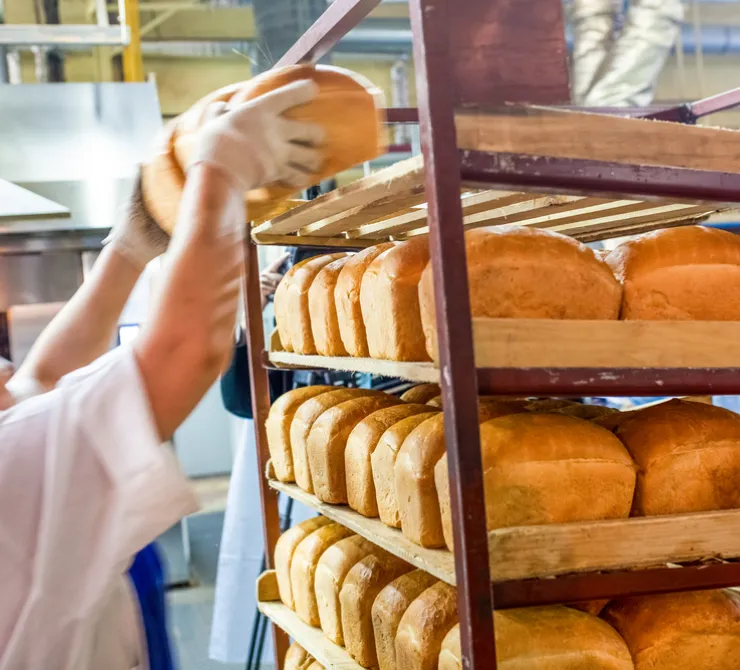
More on Food Processing
Why Are Fresh Foods Processed? Fresh foods consumption, regarded as “natural”, requires a minimum processing to prevent illnesses derived from poor h…
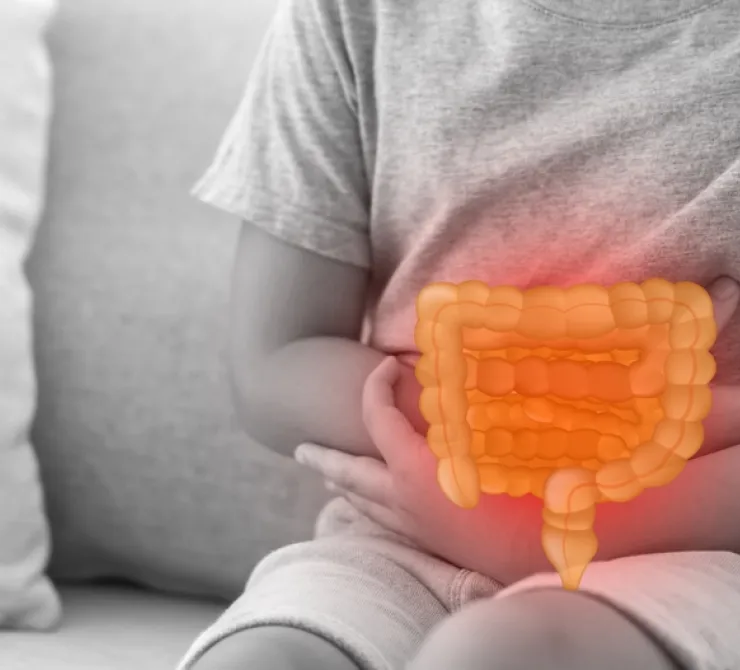
Contaminated Foods Which Cause Illnesses
According to information shared by the World Health Organization, around 600 million people–almost one in ten inhabitants–get sick due to contaminated…

Descarga nuestra lista de equivalentes de alimentos en pdf
Descarga gratis en PDF la tabla de equivalentes de alimentos por grupos: cereales, frutas, proteínas y más. Ideal para planear una dieta equilibrada.

Descargable: La importancia de la hidratación en tu cuerpo
En este descargable, exploraremos la importancia fundamental de mantenernos hidratados como parte esencial de una nutrición equilibrada.
Descargable: Todo lo que debes saber sobre la microbiota
Descarga el PDF para aprender qué es la microbiota, la diferencia entre probióticos y prebióticos, obtén una guía de alimentos recomendados.