What Are Food Additives?

What Is a Food Additive?
According to the Codex Alimentarius–organization founded by the FAO and the WHO–, which issues food regulations internationally accepted, a food additive is “Any substance not normally consumed as a food by itself, nor used as a typical ingredient of food and is added intentionally for a technological purpose[…].”
Additives are used to preserve or improve food in different aspects:
- Safety
- Freshness
- Flavor
- Texture
- Look
Brief History of Food Additives Use
Food additives have been used for centuries. Ancient baking recipes, for example, used ashes for rustic bread making. Nowadays we know said ashes includes salt, which is important for some types of bread and cakes to fluff up.
Meat was marinated with herbs and vegetables to be preserved and provided with unique colors and flavors. Now we know several vegetables, like celery, are important sources of nitrites and nitrates–substances involved in cured meat processes. In some Medieval recipes ground pearls or corals were used. Current information reveals these ingredients are calcium salts which play an important role in food production.
Food Additive Safety
For food additives to get to a family’s dining table, they have to go through strict processes of approval conducted by health authorities and food manufactures are obliged to follow them.
These processes should be conservative and safety assessment, extremely rigorous since foods are available for all family members and people who ingest daily. For that reason, risk assessment should take into consideration the most vulnerable population group and guarantee everyone is protected.
According to the WHO, the use of additives is only justified if it responds to a technological need, is not misleading for consumers, and is used with well-defined technological functions such as preserving nutritional quality of foods or improve their stability, among others.
Written by Rebeca López-García, Ph.D.
 References
- Codex alimentarius. (2019). Norma General para los Aditivos Alimentarios. CODEX STAN 1992-1995.
 8 min read
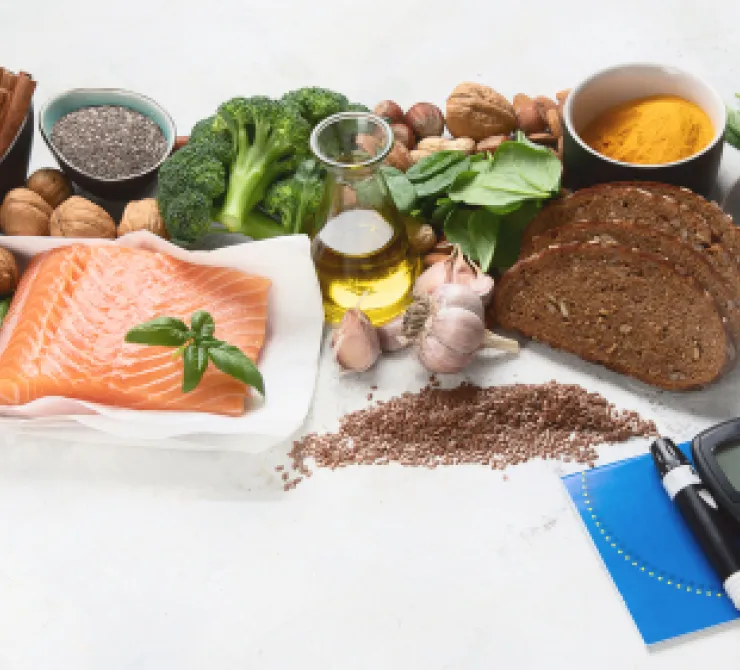
Glycemic Index and Glycemic Load: Amounts Matter
A proper diet, in accordance with health regulations, includes the intake of all nutrients in the right portions and in enough amounts to preserve good health with the energy and satiety required.

More on Food Processing
Why Are Fresh Foods Processed? Fresh foods consumption, regarded as “natural”, requires a minimum processing to prevent illnesses derived from poor h…
Contaminated Foods Which Cause Illnesses
According to information shared by the World Health Organization, around 600 million people–almost one in ten inhabitants–get sick due to contaminated…

Descarga nuestra lista de equivalentes de alimentos en pdf
Descarga gratis en PDF la tabla de equivalentes de alimentos por grupos: cereales, frutas, proteínas y más. Ideal para planear una dieta equilibrada.

Descargable: La importancia de la hidratación en tu cuerpo
En este descargable, exploraremos la importancia fundamental de mantenernos hidratados como parte esencial de una nutrición equilibrada.
Descargable: Todo lo que debes saber sobre la microbiota
Descarga el PDF para aprender qué es la microbiota, la diferencia entre probióticos y prebióticos, obtén una guía de alimentos recomendados.