Plant-Based Diet and Planetary Health
Vegetables, fruits, legumes, whole grains, nuts and seeds are low in saturated fats, contain healthy fats for the heart and are a great source of fiber.

Benefits of a Plant-Based Diet
Vegetables, fruits, legumes, whole grains, nuts and seeds are low in saturated fats, contain healthy fats for the heart and are a great source of fiber. These provide our body with some vitamins, minerals, and antioxidants which offer protection against cardiovascular diseases.
Making diets healthier for the future requires significant changes in our eating habits. That is why it is key to increase the intake of plant-based foods, seeds and whole grains. With a diet rich in plant-based foods and with less animal origin ones we will achieve a good health and important environmental benefits.
What Is the Planetary Health Diet?
Planetary health is about "the health of human civilization and the condition of the natural systems it depends on." The concept was coined in 2015 by the Rockefeller Foundation and the Lancet Commission on planetary health to transform the public health field which has traditionally focused on the health of human populations without taking natural systems into consideration.
The EAT-Lancet Commission, based on the definition of planetary health, presented the new term, "planetary health diet" to highlight the fundamental role diets play in connecting human health and environmental sustainability — bringing these two agendas together under one common global agenda for the transformation of the food system needed to meet the Sustainable Development Goals (SDG) and the Paris Agreement.
The Paris Agreement was a landmark international event in 2015 during which member countries of the UN Climate Change Conference committed to reducing risks and impact of climate change around the world. Nutrition became the center of food safety and climate change programs — two points that, since then, are understood and managed as one.
Did you know that for 2050 there will be around ten billion people living on the planet? Together we can succeed in having a planetary health diet!
Get to Know The Planetary Health Plate
Half the plate: fruits and vegetables. The other half: whole grains, plant proteins, unsaturated vegetable oils and small portions of animal proteins.
Through a sustainable food production we will set scientific goals for healthy diets.

 3 min read
What is Mindful Eating?
Far from being "just a trend," mindful eating is already a common practice which helps handle emotions, reactions, attitudes, and thoughts.
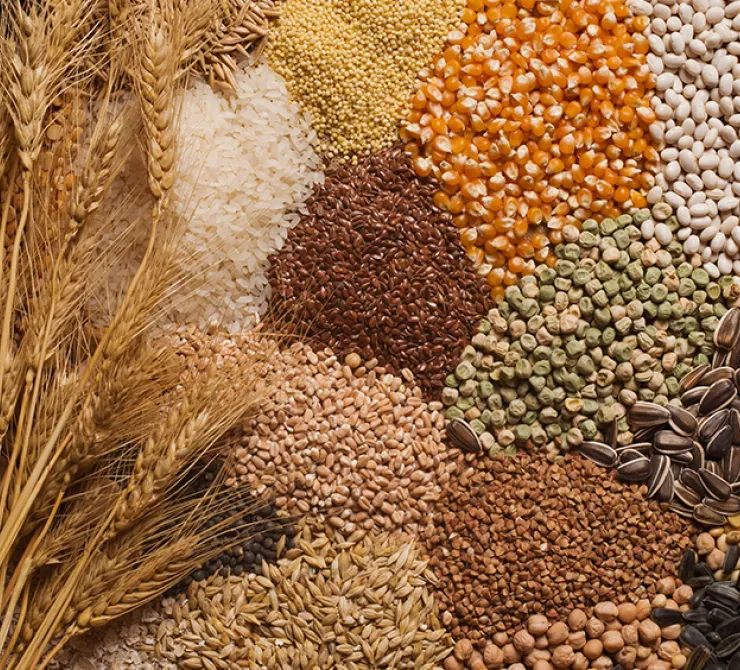
Whole Grains: Benefits for Your Health
Whole grains, when eaten as part of a proper diet, offer multiple nutritional and health benefits.

Grains–Their Role on Nutrition and Health
What Are Whole Grains? Whole grains of cereals, pseudocereals, and legumes-oleaginous plants are those including all the anatomical parts in the orig…

Early Childhood Nutrition Is Key
The first one thousand days of a person’s life determine, to a large extent, their health in their childhood, teenage years and even adulthood. During…
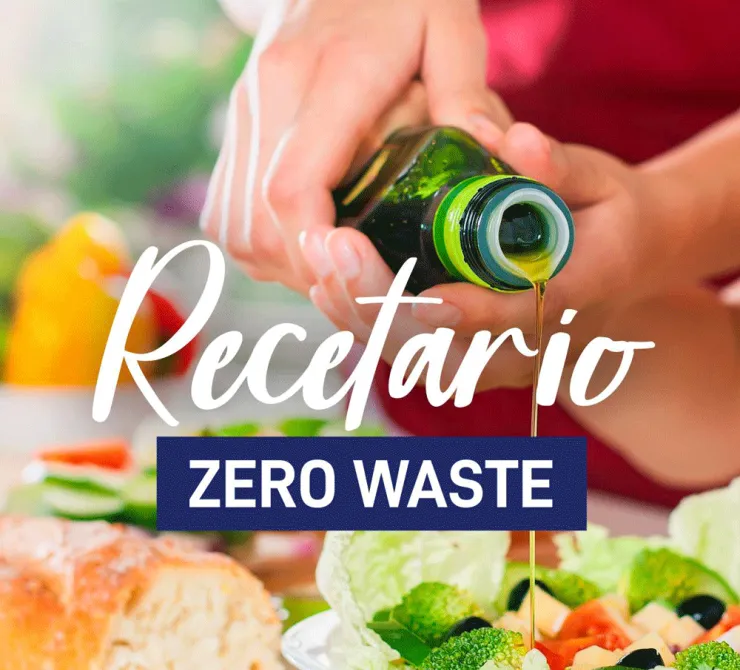
Cook Without Waste: Download the Zero Waste Cookbook
As part of the International Day of Awareness of Food Loss and Waste, we would like to remind you of the importance of being conscious of what we eat and how we do it. Each year, tons of food end up in the trash, at the same time many people around the world starve.

Descargable: Recetario de Comidas Simples y Naturales de Bnutrition
¡Transforma las loncheras de tus hijos con nuestro descargable gratuito! Sabemos lo difícil que puede ser encontrar opciones saludables, deliciosas y fáciles de preparar para las loncheras. Por eso, hemos creado una guía especial que te ayudará a…