Whole Grains: Benefits for Your Health
Whole grains, when eaten as part of a proper diet, offer multiple nutritional and health benefits.

What Are Whole Grains?
They are the seeds of grains such as wheat, corn, oats, rice, rye, barley, amaranth, and quinoa. They can be untouched, ground, smashed or as flakes. Whole grains are obtained after discarding nonedible parts. Their main components are the endosperm, germ and bran — which should be present in the same ratio as they are in the original grain.
What Are the Parts of a Whole Grain?
Each part of a whole grain contains different kinds of nutrients:
Bran
The outer multi-layered skin of the edible grain. It is rich in fiber and also provides antioxidants, B vitamins, and minerals like zinc, iron, and magnesium, as well as phytochemicals — natural compounds linked to disease prevention.
Germ
The nucleus where growth happens. It is rich in lipids and contains vitamin E, B vitamins, phytochemicals, and antioxidants.
Endosperm
The largest portion of the grain. It contains carbohydrates, proteins, and small amounts of vitamins and minerals.
What Benefits Do I Get From Whole Grains?
Whole grains, when eaten as part of a proper diet, offer multiple nutritional and health benefits. Since they preserve the three parts of a grain, they provide complex carbohydrates, fiber (lignans, inulin and beta-glucans), vitamin B complex, antioxidants, phytochemicals (sterols and stanols), and minerals such as iron, magnesium, zinc and copper. These nutrients bring health benefits like:
- Less Risk of Suffering Cardiovascular Diseases
- Weight Management
- Prevention of Type 2 Diabetes Mellitus
- Promotion of Gastrointestinal Health
Final Thoughts: Why Whole Grains Matter
Including whole grains in your daily meals is a simple and effective way to boost your long-term health. Their rich nutrient profile supports essential body functions and helps prevent chronic diseases. To fully benefit from them, look for labels that say "100% whole grain" or "whole," and make them part of a balanced, diverse diet.

 3 min read
What is Mindful Eating?
Far from being "just a trend," mindful eating is already a common practice which helps handle emotions, reactions, attitudes, and thoughts.
Plant-Based Diet and Planetary Health
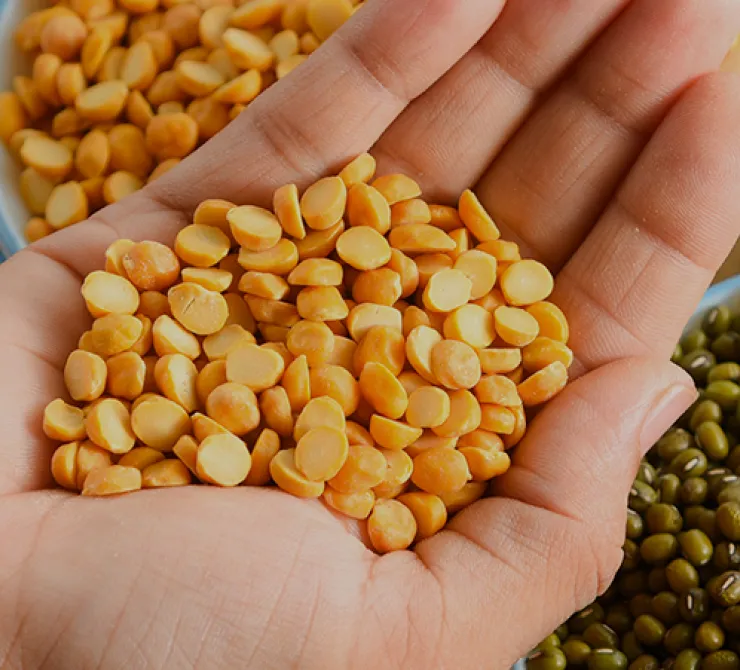
Vegetables, fruits, legumes, whole grains, nuts and seeds are low in saturated fats, contain healthy fats for the heart and are a great source of fiber.

Grains–Their Role on Nutrition and Health
What Are Whole Grains? Whole grains of cereals, pseudocereals, and legumes-oleaginous plants are those including all the anatomical parts in the orig…

Early Childhood Nutrition Is Key
The first one thousand days of a person’s life determine, to a large extent, their health in their childhood, teenage years and even adulthood. During…

Cook Without Waste: Download the Zero Waste Cookbook
As part of the International Day of Awareness of Food Loss and Waste, we would like to remind you of the importance of being conscious of what we eat and how we do it. Each year, tons of food end up in the trash, at the same time many people around the world starve.

Descargable: Recetario de Comidas Simples y Naturales de Bnutrition
¡Transforma las loncheras de tus hijos con nuestro descargable gratuito! Sabemos lo difícil que puede ser encontrar opciones saludables, deliciosas y fáciles de preparar para las loncheras. Por eso, hemos creado una guía especial que te ayudará a…