
Grains–Their Role on Nutrition and Health

What Are Whole Grains?
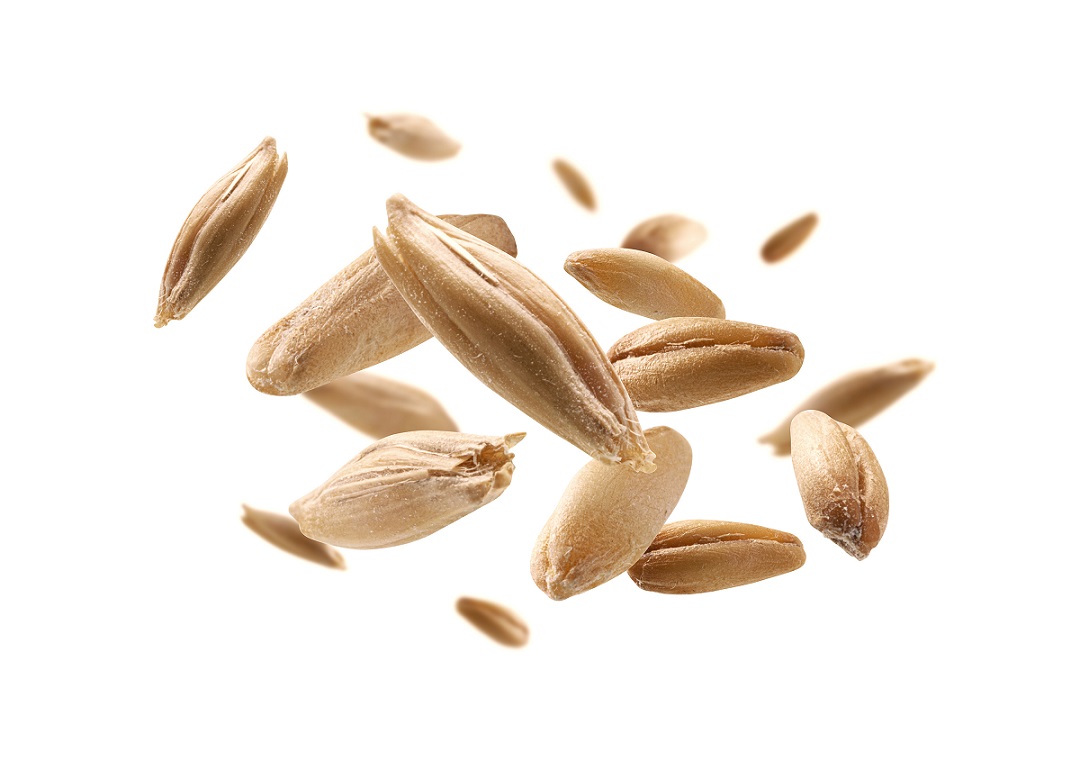
Whole grains of cereals, pseudocereals, and legumes-oleaginous plants are those including all the anatomical parts in the original ratio.
They are good source of:
- Dietary Fiber
- Polyunsaturated Fatty Acids
- Phospholipids
- Phytosterols
- Vitamins and Minerals
- Phenolic Compounds
- Carotenes
- Other Antioxidants
Cereal processing processes are designed to remove the external layers so, sadly, they lose most of these important essential and nutraceutical nutrients.
Impact Whole Grains Have on Health
Several epidemiological and clinical studies report a significant connection between whole grain consumption and obesity, adiposity, metabolic syndrome, cardiovascular diseases, type 2 diabetes, oxidative stress, inflammation, and cancer.
dditionally, most of the dietary fiber included in them is soluble with resistant starches and antioxidant phytochemicals that benefit the gut microbiota. For this reason, several public health agencies around the world recommend people to eat at least three portions of whole grains a day.
This would help control and manage ailments responsible for more than 76% of deaths (60% can be attributed to chronic diseases and the other 16% to cancer).
There are several ways in which whole grains improve human health:
- Reduction of Caloric Density of the Diet
- Better Glucose Absorption
- Control of Serum Cholesterol Levels
- Inflammatory Markers Regulation
- Higher Satiation
- Gastrointestinal Motility
- Bolus Viscosity
- Feces Volume and Bile Salts and Carcinogens Ties
Whole grains supply a great amount of antioxidants that help prevent oxidative stress and regulate relevant genes related to chronic degenerative diseases and cancer. They are also a source of prebiotics which improve the production of short-chain fatty acids and other metabolites that fix gut dysbiosis and favor the growth of beneficial probiotic bacteria such as Bifidobacteria and Lactobacillus.

Eating more food made with whole grains–in addition to an active, healthy and sustainable lifestyle–will have a positive impact in the prevention of chronic degenerative diseases like metabolic syndrome, type 2 diabetes, and cardiovascular diseases (hyperlipidemia, hypercholesterolemia and hypertension) at the same time it will benefit digestive health.
The undisputed connection between whole grain intake and health has motivated many countries to adopt dietary guidelines recommendations as “the daily intake of at least half the grains whole, which amounts to 48 to 85 g.”
In Scandinavian countries the amount recommended is 75 g; for Americans and Canadians whole grains should supply at least fifty per cent of their total intake of grains (85 g); the European Community and Australia recommend from four to nine daily portions.
All these benefits and their impact on people’s health need to be promoted by all the different actors involved in the food chain (government, health institutions, producers, industry) through mass media campaigns and changes to food labeling regulations–this would prevent and mitigate the previously mentioned diseases which, without a doubt, are the main cause of death in the 21st century and represent the vast majority of hospital expenses.
The grain processing industry should continue their research to select the best whole grain genotypes for different uses and develop new grinding processes focused on improving the stability and shelf life of flours and whole grain products, as well as elaborate new products with good organoleptic properties that are of benefit to public health.
Written by Dr. Sergio O. Serna Saldivar
Tenured Professor, Faculty of Science and Engineering, Tecnológico de Monterrey, Monterrey Campus
 References
- Serna Saldivar, S.O. 2020. Relación del consumo de granos enteros con la salud pública. Capítulo 11 (pp- 197-214) En: Papel de los Cereales de Grano Entero en la Salud. ILSI Nor-Andino y Fundación Iberoamericana de Nutrición (FINUT). Granada, España.

 3 min read
What is Mindful Eating?
Far from being "just a trend," mindful eating is already a common practice which helps handle emotions, reactions, attitudes, and thoughts.
Whole Grains: Benefits for Your Health
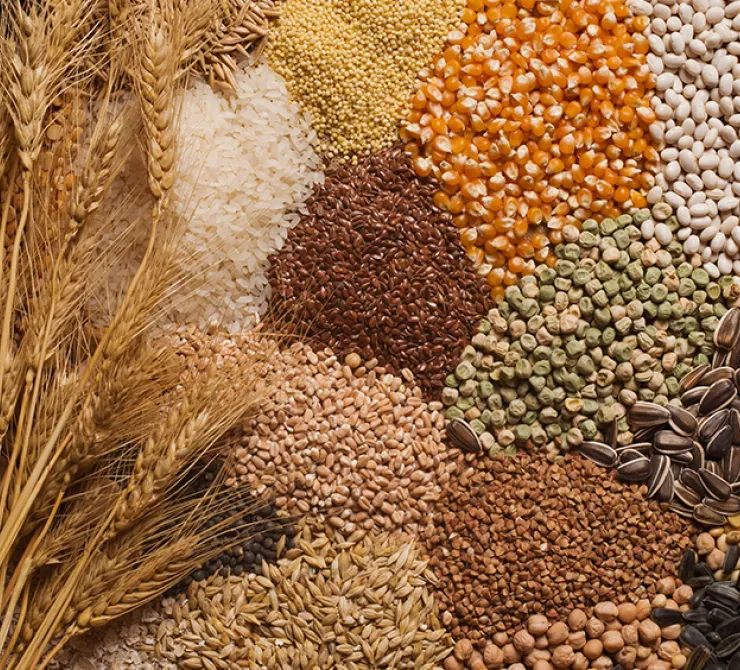
Whole grains, when eaten as part of a proper diet, offer multiple nutritional and health benefits.
Plant-Based Diet and Planetary Health
Vegetables, fruits, legumes, whole grains, nuts and seeds are low in saturated fats, contain healthy fats for the heart and are a great source of fiber.

Early Childhood Nutrition Is Key
The first one thousand days of a person’s life determine, to a large extent, their health in their childhood, teenage years and even adulthood. During…

Cook Without Waste: Download the Zero Waste Cookbook
As part of the International Day of Awareness of Food Loss and Waste, we would like to remind you of the importance of being conscious of what we eat and how we do it. Each year, tons of food end up in the trash, at the same time many people around the world starve.

Descargable: Recetario de Comidas Simples y Naturales de Bnutrition
¡Transforma las loncheras de tus hijos con nuestro descargable gratuito! Sabemos lo difícil que puede ser encontrar opciones saludables, deliciosas y fáciles de preparar para las loncheras. Por eso, hemos creado una guía especial que te ayudará a…