Tips to Prevent High Blood Pressure

Trying to have a healthy diet will help making the right choices to prevent, modify and control habits associated with non-communicable diseases such as hypertension, diabetes, obesity and cardiovascular diseases. These ailments might be the result of poor eating habits. Today we will learn more about hypertension–blood making too much pressure on the artery walls–and offer some advice to prevent it.
What Are Regular Blood Pressure Values?
Ideal arterial pressure is 120/80 mm Hg. A hundred and twenty when the heart is pumping blood and 80, when it relaxes in between heartbeats. When arterial pressure equals or exceeds 140/90 mm Hg, it is considered the patient suffers from hypertension. A controlled hypertension aims at keeping average levels around 130/80 mm Hg.
What Are the Symptoms of Hypertension?
Hypertension is one of the most important risk factors in Mexico regarding cardiovascular, cerebrovascular and renal diseases. However, since it is an asymptomatic illness, a great number of patients seek medical attention due to other physical discomforts without knowing that, in fact, they suffer from hypertension.
Oftentimes, patients report headaches, vertigo, chest pain, shortness of breath, palpitations and nose bleedings–symptoms commonly associated with different ailments other than hypertension.
According to the British magazine The Lancet, in 2015 more than a million people suffered from hypertension worldwide, most of them were males. In Mexico, between 2018 and 2019, the Mexican National Health and Nutrition Survey estimated fifteen per cent of the population had been diagnosed with arterial hypertension–a per centage that increased in the population over fifty.
What Causes Hypertension?
International data claims that some of the most important factors are a poor diet–with an excess of sodium and not enough potassium–and a sedentary lifestyle. That is why, once being diagnosed with hypertension, patients should closely follow medical instructions regarding medicines and, of course, change their eating habits to have a healthy diet.
It is key to consider that a good health heavily relies on the food choices made on a daily basis. Taking this into account would help use food choices as a helpful tool to prevent complications and reduce mortality risks due to hypertension.
Scientific evidence shows drastic changes in eating patterns might be helpful to control, and even prevent, hypertension as long as it is based on an increase on the intake of organic products rich in fiber, antioxidants, and unsaturated fats–all present in whole grain cereals, fruits, vegetables and seeds.
DASH Diet to Prevent and Treat Hypertension
The Dietary Approaches to Stop Hypertension (DASH) provide guidance on its prevention and treatment. It recommends a maximum intake of 1,500 mg of sodium per day for patients with hypertension and 2,300 mg for healthy individuals. It is worth mentioning clinical trials have shown DASH diet has additional health benefits, reducing body weight, waistline and cholesterol levels. This food plan recommends, aside from a sodium intake reduction, choosing foods low in saturated fats, without trans fats, and rich in potassium, calcium, magnesium and fiber, as well as low-fat proteins.
Since nutritional needs vary depending on a person’s age, following specialists instructions is quite important. As the number of patients diagnosed with hypertension are above 50, the recommendation is for those below fifty years old to ingest, in average, 1,500 mg a day as previously mentioned, while people between 51 and 70 years of age should consume 1,300 mg a day. For everyone over 70, daily intake should be reduced to 1,200 mg.
Reducing sodium consumption can lower arterial pressure; yet, its effect would depend on several other factors additional to salt intake reduction such as genetics, patient’s condition, and response to medication. Sodium can come from different sources, not only salt. It is present in a wide variety of foods, so reading the label of prepackaged products will be of great help.
It should be said that sodium plays an important role for industrialized foods: it bolsters flavor, preserves products, and prolongs shelf life. What is more, along with potassium, sodium takes part in virtually all cellular functions.
Tips to Reduce Arterial Pressure
The European Food Information Council recommends eating foods which are good sources of potassium (a low intake of potassium has been connected to an increase in the risk of suffering hypertension), keeping a healthy weight, not smoking, limiting alcohol intake, exercising regularly, reducing intake of foods with added salt and, in general terms, having a good diet where foods of plant origin prevail and animal food consumption is moderate. The Council also suggests not to add salt to cooked food and opt for seeds without salt over the salty alternatives, as well as using herbs and spices to season.
In general terms, fresh foods are naturally low in sodium given that they include an average 0.3 g/100 g, while some industrialized products can include between 0.3 and 1.5 g of sodium for each 100 g. As previously mentioned, a proper potassium intake can help counteract the negative effects sodium has; that is why including fruits and vegetables such as banana, green leaves, potato, tomato and legumes can contribute to reducing the effects of hypertension.
In essence, a healthy diet rich in organic products and low in citrus nutrients like saturated fats, salt and sugar–in addition to the right intake of nutrients and the conservation of a healthy lifestyle–will help reducing the risk of suffering hypertension and/or, given the case, keeping it under control.
 References
- Consejo Europeo de Información sobre la Alimentación (EUFIC). (2020a, agosto 5). 7 consejos de estilo de vida para bajar la presión arterial. Recuperado 7 de julio de 2023
- Consejo Europeo de Información sobre la Alimentación (EUFIC). (2020b, agosto 5). ¿Qué es sal y cómo afecta a nuestra presión arterial? Recuperado 7 de julio de 2023
- Infanzón Talango, H., & Rojas Torres, F. (2021, 2 junio). El hombre en el nutriólogo. Hablemos claro. Recuperado 7 de julio de 2023
- National Heart, Lung and Blood Institute, National Institutes of Health, U.S. Department of Health and Human Services. (2021, 29 diciembre). DASH Eating Plan. Recuperado 7 de julio de 2023
- Zeng, B., Bentham, J., Di Cesare, M., Bixby, H., Danaei, G., Cowan, M. J., Paciorek, C. J., Singh, G., Hajifathalian, K., Bennett, J. L., Taddei, C., Bilano, V., Carrillo-Larco, R. M., Djalalinia, S., Khatibzadeh, S., Lugero, C., Peykari, N., Zhang, W., Lu, Y., Bi, Y. (2017). Worldwide trends in blood pressure from 1975 to 2015: A pooled analysis of 1479 population-based measurement studies with 19·1 million participants. The Lancet, 389(10064), 37-55.

 3 min read
What is Mindful Eating?
Far from being "just a trend," mindful eating is already a common practice which helps handle emotions, reactions, attitudes, and thoughts.
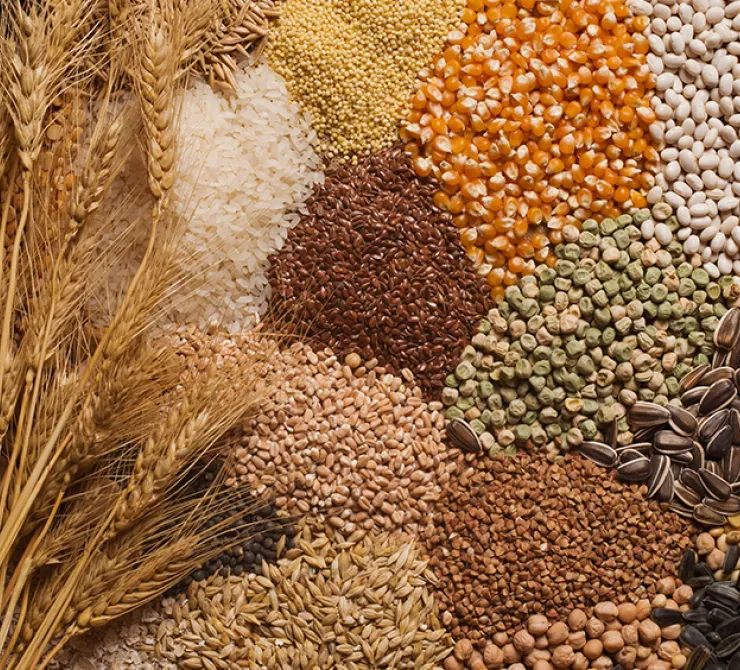
Whole Grains: Benefits for Your Health
Whole grains, when eaten as part of a proper diet, offer multiple nutritional and health benefits.
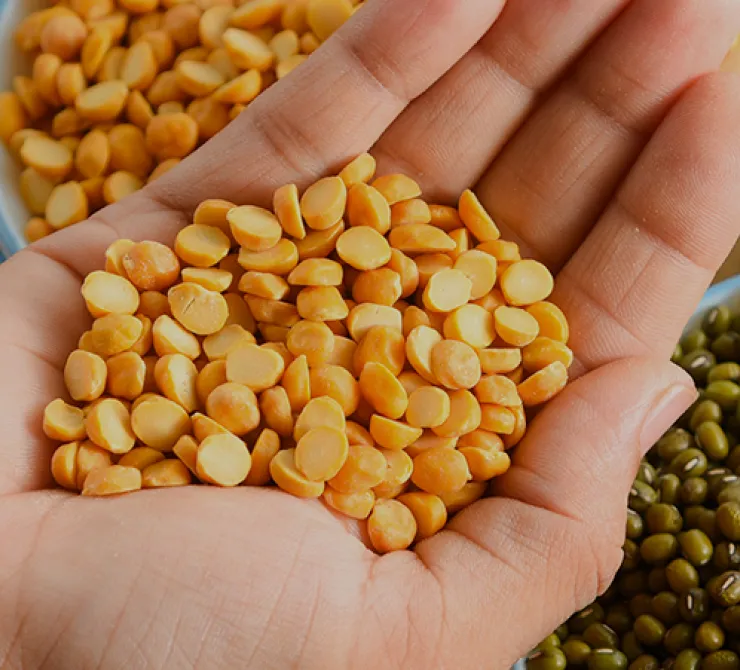
Plant-Based Diet and Planetary Health
Vegetables, fruits, legumes, whole grains, nuts and seeds are low in saturated fats, contain healthy fats for the heart and are a great source of fiber.
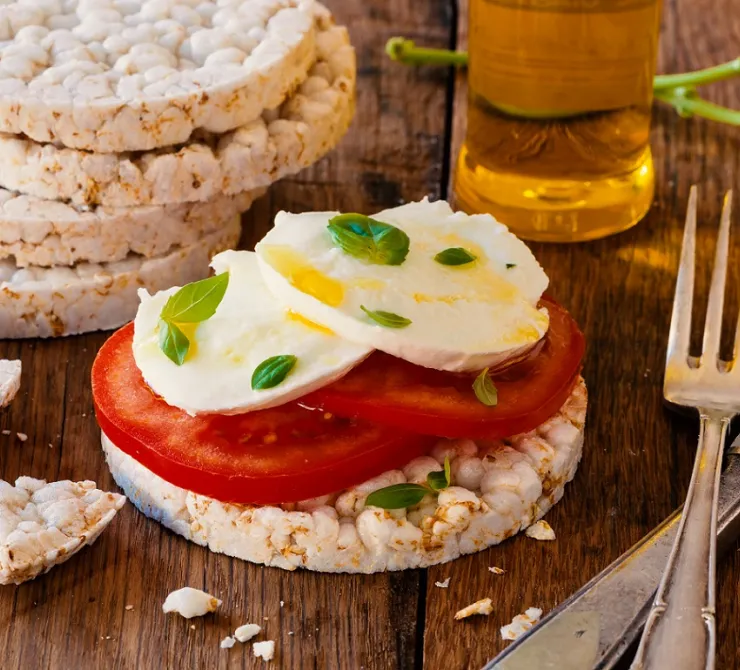
Grains–Their Role on Nutrition and Health
What Are Whole Grains? Whole grains of cereals, pseudocereals, and legumes-oleaginous plants are those including all the anatomical parts in the orig…

Early Childhood Nutrition Is Key
The first one thousand days of a person’s life determine, to a large extent, their health in their childhood, teenage years and even adulthood. During…
Cook Without Waste: Download the Zero Waste Cookbook
As part of the International Day of Awareness of Food Loss and Waste, we would like to remind you of the importance of being conscious of what we eat and how we do it. Each year, tons of food end up in the trash, at the same time many people around the world starve.